Why Sustainable Developments in the United States Are Leading the Market with Solar Adoption
Solar Adoption Trends
The adoption of solar energy is rapidly advancing, particularly within sustainable developments, with focus areas like Denver's Cherry Creek neighborhood setting new benchmarks. As a property innovator in real estate, understanding these trends is crucial for aligning with modern sustainability goals. The growth in eco-conscious communities isn't just localised; it spans various regions, driving performance and opportunities across the nation.
Growth in Sustainable Developments
Sustainable developments are taking centre stage, powered by innovations and a growing public interest in green technology. Many solar panel installation companies are becoming integral partners in these ventures, providing seamless transitions to renewable energy sources. These companies offer tailored solutions that integrate with urban developments, aligning with the green building initiatives that are gaining prominence.
Key Drivers for Market Leadership
Several factors contribute to the rising market leadership in solar technology. Key drivers include governmental incentives, public awareness of environmental impacts, and technological advances that make solar systems more efficient and cost-effective. As a solar panel installer plays a pivotal role in market growth by ensuring installations are both reliable and efficient, aligning with consumer demand for sustainable solutions.
Geographic Hotspots in the U.S.
In the U.S., particular regions have emerged as hotspots for solar energy growth. Denver, due to its progressive urban planning and commitment to sustainability, exemplifies a vibrant market for solar implementation. For those searching for "solar energy installers near me," states like California, Texas, and Colorado lead the way, offering numerous options and opportunities for investment in renewable infrastructure.
Financial Benefits
Cost-Effectiveness for Businesses
When considering solar energy adoption, one cannot overlook the financial incentives that make it an appealing choice for real estate investors, especially those familiar with the Denver Tech Center. As someone who values cost efficiency, examining the price points of a solar install is crucial. These installations often lead to significant reductions in utility expenses, offering tangible savings shortly after initiation.
Return on Investment Metrics
For real estate professionals, understanding the return on investment is a priority. Evaluating the costs associated with solar installation in home settings can be enlightening. In many cases, the initial expenditure is outweighed by long-term benefits, making solar energy not just a sustainable choice but also a financially savvy one. By analysing current market data, professionals can anticipate a 20-30% increase in property valuation.
Long-term Financial Planning
Strategic planning is essential for sustainable financial growth, especially when integrating renewable energy sources. Partnering with reputable solar company installers can ensure that the shift to solar energy aligns with an investment’s long-term objectives. In areas around Union Station, for example, the integration of solar technologies often leads to lower operating costs over time. By adopting this approach, businesses can not only meet their immediate financial goals but also position themselves favorably in evolving markets.
Implementation Strategies
Steps to Adopt Solar Solutions
The journey to embracing solar energy is both rewarding and detailed. Initial steps involve careful selection of solar equipment. Pinpointing the cheapest solar installation doesn't just save on upfront costs but also ensures a beneficial return on investment. Assess the available federal and state incentives—they can significantly cut costs associated with initial setup. Additionally, participating in seminars or workshops around areas like the Denver Tech Center can provide advanced insights and networking opportunities that further streamline the adoption process.
Navigating Bureaucratic Challenges
Navigating the layers of bureaucracy in a company can be challenging but crucial for successful solar adoption. Begin by preparing a comprehensive cost-benefit analysis that outlines potential savings and benefits. Gathering support from key stakeholders is essential; their influence can help in getting approvals. Adequate documentation and compliance understanding are pivotal to avoid setbacks. Leveraging local developments, such as those around Union Station, where similar initiatives are taking place, can offer inspiration and solid case studies to present to management.
Integration with Existing Infrastructure
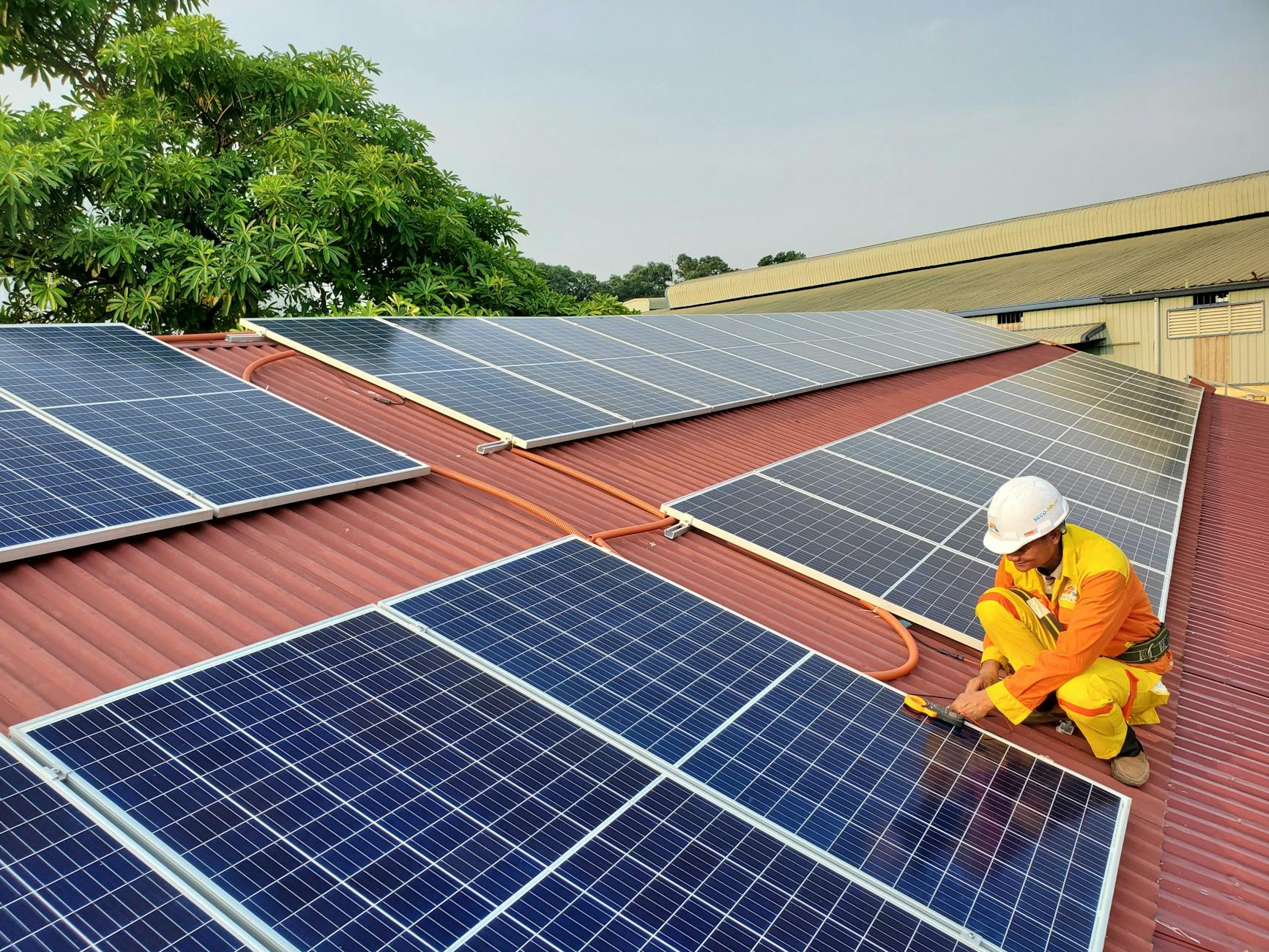
Integrating solar panels into existing structures requires precision and planning. Collaborate with solar system installers near me to design a scheme that maximisers energy output while fitting seamlessly with existing infrastructure. Existing electrical layouts and roof integrity should be assessed by professionals to ensure compatibility. It's also important to integrate real-time monitoring solutions to track performance, allowing for optimisations that enhance system efficiency. Proper alignment of these elements assures sustainable and efficient energy use.
Challenges
Regulatory and Compliance Hurdles
Navigating the regulatory landscape for installing solar panels can be complex. Federal, state, and local regulations vary and can significantly impact timelines and costs. Understanding these regulations is crucial. For instance, the process in Denver may differ from other areas, influenced by local policies or zoning laws. Establishing a system for staying updated on these regulations can save both time and money. Therefore, leveraging the expertise of solar panel installers familiar with your region is invaluable, as they can guide you through the necessary compliance processes without unnecessary delays.
Common Misconceptions
One common misconception is that solar panels require constant sunlight to be effective. While peak performance is achieved with direct sunlight, modern solar panels can still generate electricity on cloudy days thanks to advances in technology. Another misconception involves the initial cost. Many believe solar is unaffordable, but various financial incentives and decreasing panel costs have made it more accessible for businesses and homeowners alike.
Overcoming Technological Barriers
Technological advancements have made overcoming initial barriers more feasible. Integration with existing systems often poses a challenge, but modern solutions offer compatibility options that make this easier. Consider partnering with experienced professionals who can provide insights into optimizing your solar system installation, potentially incorporating features like smart grids. A thorough evaluation and understanding of your existing infrastructure can ensure seamless integration, meeting both short-term and long-term energy needs.
Solar Success Checklist
Core Steps to Solar Integration
As a knowledgeable property innovator based in Denver, specifically targeting our lively locales like the Denver Tech Center and the Union Station area, it's essential to speak on the most efficient steps towards robust solar adoption. Firstly, perform an energy audit to understand your current consumption patterns and set clear targets. It's paramount to align your solar strategy with both short-term and long-term real estate investment plans. The sustainability landscape is diverse, and the integration of solar solutions seamlessly into existing infrastructures—like those refined properties in Denver's Cherry Creek neighbourhood—is non-negotiable.
Assessing Installer Trustworthiness
When it comes to bringing solar dreams to life, choosing the right installer is crucial. Assess their track record, focusing on their past projects and client satisfaction. Make sure they're familiar with local Denver regulations and rebate opportunities. Don't forget to scrutinise the warranty scope and post-installation services. Investing time in evaluating sun powered installers can save future headaches and ensure reliability.
Ongoing Performance Tracking
To maximise your solar investment, continuous monitoring of the system's performance is essential. Implement a digital tracking tool that not only tracks energy output but also offers insights into efficiency improvements and potential upgrades. This proactive approach will keep your solar assets in peak conditions, ultimately enhancing your property's value and sustainability footprint. Whether in the tech-forward world of the Union Station developments or the leafy sophistication of Cherry Creek, these measures ensure your solar investments yield both sustainable and financial dividends.